
THE O’LINN REPORT
Patrol or on-site security? Start with the responsibility.
A gate that must stay staffed and a property that needs periodic checks are two different assignments. The right decision starts with that distinction.
O’Linn Security Inc. · · 4 min read
The question before the price
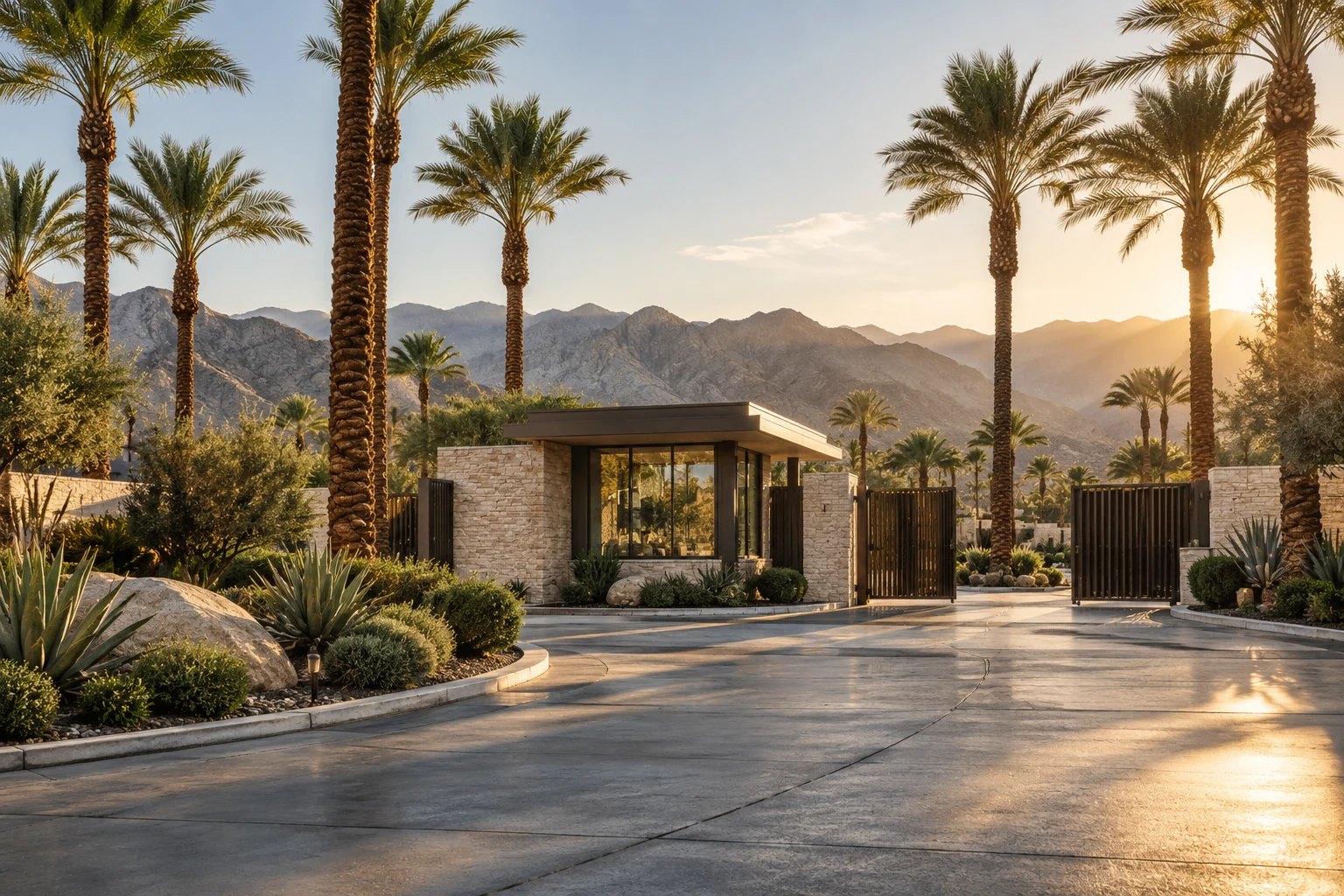
A property manager asks for a patrol quote. During the conversation, it becomes clear that visitors need to be checked in at the entrance, deliveries arrive throughout the evening, and someone must remain available to answer access questions. The request says patrol, but the responsibility describes a staffed post. That mismatch matters more than the first hourly figure on a proposal.
Before comparing prices, write down what must happen, where it must happen and whether someone needs to remain present. A service name is not a substitute for those decisions. Two proposals can use similar language while promising very different coverage.
A visit is not a continuously staffed position
Mobile patrol can be scoped around visits to designated areas, observations, checks and a defined response process. The plan should identify what a visit includes, how completion is documented and what happens when an officer finds something requiring attention. It should also make clear what the service does not provide between visits.
An on-site assignment dedicates personnel to a property or post during agreed hours. That still does not mean one person can cover every responsibility simultaneously. An officer handling a visitor at a gate cannot also inspect a distant parking area at that same moment. Continuous presence and unlimited capacity are not the same thing.
Separate the duties that compete
Make a simple responsibility map. List the entrance, parking, shared spaces, deliveries and after-hours communication. For each one, identify the decision the officer is expected to make and the person who owns exceptions. A useful plan explains whether an officer observes, verifies authorization, documents, contacts management or follows another agreed procedure.
Then ask what happens when duties collide. Who covers the entrance while another matter is being addressed? Can a patrol be interrupted? Who decides which issue takes priority? These are planning questions, not proof that every property needs more personnel. Sometimes the answer is a clearer procedure or a task that should remain with property staff.
A combined approach can be specific
Patrol and on-site coverage do not have to be competing answers. A community might require a gatehouse assignment during particular hours and a separate patrol scope for designated shared areas. A commercial property might have one need during business activity and a different one after closing.
The combined plan should identify where one assignment stops and the other begins. Avoid assuming that the word security automatically covers everything outside a tenant’s door. Responsibilities for maintenance, parking administration, access systems and emergency services need to be distinguished rather than bundled into vague expectations.
Compare what will actually be delivered
Ask each provider to explain post responsibilities, coverage hours, reporting, supervision, escalation and the process for adjusting the scope. Compare those answers alongside price. A lower figure attached to fewer duties is not the same service at a discount. Nor is a larger staffing proposal automatically the better fit.
California’s Bureau of Security and Investigative Services provides an online license-verification resource. Use the official record as one part of evaluating a provider, then ask about the people, procedures and oversight proposed for your particular property. A licensing check and an operational discussion answer different questions.
Make the decision explainable
A useful final plan can be explained to the person managing the property, the officer assigned to it and the people who rely on the service. Each should understand who is present, what that person is responsible for and how concerns reach the right decision-maker.
At O’Linn, the starting conversation is about your property and its operating needs. Once the responsibilities are clear, the service structure can follow. That is a stronger foundation than choosing a label first and trying to make the property fit it.
Choose the responsibility first. Then choose the coverage that can reliably carry it.
Further reference
California BSIS: verify a license
General planning information. The agreed service scope and property-specific instructions govern each assignment. References do not imply agency endorsement of O’Linn.